Delving into Reverse Mortgage Companies Explained: Fees, Rates, and Terms, this introduction immerses readers in a unique and compelling narrative, with a casual formal language style that is both engaging and thought-provoking from the very first sentence.
Providing insightful information about reverse mortgages, this paragraph sets the stage for a deep dive into the world of fees, rates, and terms associated with these financial products.
Overview of Reverse Mortgages
Reverse mortgages are financial products that allow homeowners aged 62 or older to convert a portion of their home equity into cash. Unlike traditional mortgages where the borrower makes monthly payments to the lender, with a reverse mortgage, the lender makes payments to the borrower. The loan is repaid when the borrower passes away, sells the home, or no longer occupies it as their primary residence.Types of Reverse Mortgages
- Home Equity Conversion Mortgage (HECM): Insured by the Federal Housing Administration (FHA) and the most common type of reverse mortgage.
- Proprietary Reverse Mortgages: Offered by private lenders and designed for homeowners with high home values.
- Single-Purpose Reverse Mortgages: Provided by state and local government agencies or non-profit organizations for specific purposes, such as home repairs.
Eligibility Criteria for Reverse Mortgages
- Age: The primary borrower must be 62 years or older.
- Homeownership: The borrower must own the property outright or have a low mortgage balance that can be paid off with the reverse mortgage.
- Residency: The property must be the borrower's primary residence.
- Financial Assessment: Lenders will assess the borrower's income, assets, and credit history to ensure they can meet financial obligations, such as property taxes and insurance.
Fees Associated with Reverse Mortgages
When considering a reverse mortgage, it is crucial to understand the various fees associated with this type of loan. These fees can significantly impact the overall cost of the mortgage and should be carefully evaluated before making a decision.Types of Fees Charged by Reverse Mortgage Companies
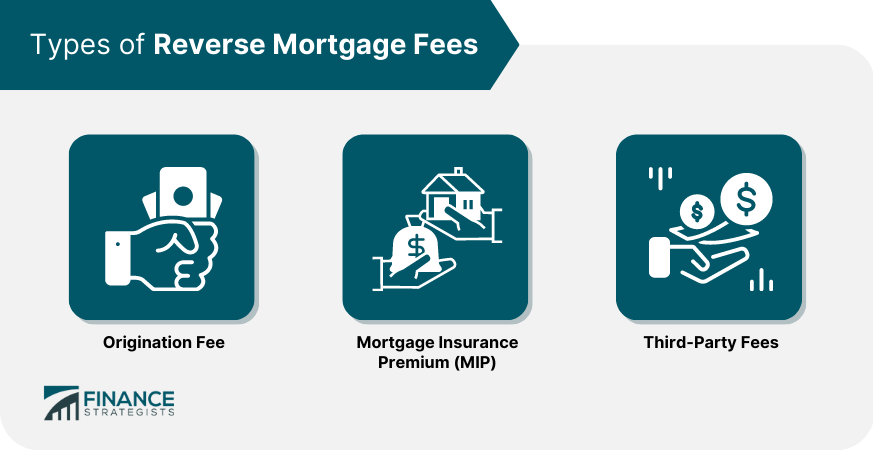
- Origination Fee: This fee covers the lender's expenses for processing the loan and is typically around 2% of the home's value.
- Mortgage Insurance Premium (MIP): Required for all FHA-backed reverse mortgages, this fee protects both the borrower and the lender and is based on the loan amount.
- Appraisal Fee: This fee covers the cost of having a professional appraiser assess the value of the property.
- Servicing Fee: This fee is charged by the lender to cover the costs of servicing the loan over its lifetime.
Comparison of Fee Structures
When comparing different reverse mortgage companies, it is essential to consider not only the interest rates but also the fee structures. Some companies may offer lower interest rates but higher fees, while others may have higher rates but lower fees. It is crucial to calculate the total cost of the loan, including all fees, to determine which option is the most cost-effective.Impact of Fees on Overall Cost
It is important to remember that the fees associated with a reverse mortgage can have a significant impact on the overall cost of the loan.For example, a higher origination fee or mortgage insurance premium can result in thousands of dollars in additional costs over the life of the loan. Borrowers should carefully review the fee structure of each reverse mortgage company to make an informed decision that aligns with their financial goals.
Interest Rates for Reverse Mortgages
When it comes to reverse mortgages, interest rates play a crucial role in determining how much you can borrow and the overall cost of the loan. Understanding how interest rates are determined and the different options available can help you make an informed decision.
Determination of Interest Rates
Interest rates for reverse mortgages are typically based on market conditions and can fluctuate over time. Lenders also take into account the borrower's age, the value of the home, and current interest rates to calculate the final rate.
Types of Interest Rate Options
- Fixed-Rate: Offers a stable interest rate throughout the life of the loan, providing predictability for borrowers.
- Adjustable-Rate: Allows for changes in interest rates based on market conditions, with the potential for lower initial rates.
Comparison of Interest Rates
It's essential to compare the interest rates offered by different reverse mortgage companies to find the most competitive option. Factors such as upfront costs, ongoing fees, and customer service should also be considered when evaluating the overall value of the loan.
Terms and Conditions of Reverse Mortgages
 When considering a reverse mortgage, borrowers should be aware of the specific terms and conditions that come with this type of loan. These terms can impact how much money you receive, how interest is calculated, and what happens in the event of default.
Implications of Defaulting on a Reverse Mortgage
- Defaulting on a reverse mortgage can lead to the lender foreclosing on your home. This means you could lose your property if you are unable to meet the loan obligations.
- It is important to understand the terms of the loan agreement and make sure you can fulfill them to avoid the risk of default.
- Seeking financial counseling before entering into a reverse mortgage can help you understand the implications of defaulting and make informed decisions.
Potential Risks or Drawbacks Associated with the Terms of a Reverse Mortgage
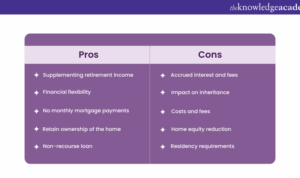
- One of the risks of a reverse mortgage is that the loan balance can grow over time, potentially leaving less equity in the home for heirs.
- Interest rates on reverse mortgages may be higher than traditional mortgages, leading to increased costs over the life of the loan.
- Some reverse mortgages come with restrictions on how the loan proceeds can be used, limiting your financial flexibility.
Concluding Remarks
In conclusion, understanding the intricacies of reverse mortgage companies in terms of fees, rates, and terms is crucial for anyone considering this financial option. With this knowledge, individuals can make informed decisions that align with their financial goals and needs.
Quick FAQs
What are the different types of reverse mortgages available?
There are three main types: single-purpose reverse mortgages, federally-insured reverse mortgages, and proprietary reverse mortgages. Each type has its own eligibility requirements and features.
How do interest rates for reverse mortgages work?
Interest rates for reverse mortgages can be fixed or adjustable. The rates are influenced by market conditions and the lender’s policies.
What happens if you default on a reverse mortgage?
Defaulting on a reverse mortgage can lead to foreclosure. Borrowers should be aware of the implications and seek financial advice if facing difficulties.