Starting off with Equity Home Loan Essentials: How to Tap Into Your Property's Value, this initial paragraph aims to draw in the readers, providing a glimpse of what's to come in a clear and engaging manner.
The following paragraph will delve deeper into the specifics of the topic, offering valuable insights and information.
Understanding Equity Home Loans

Equity home loans allow homeowners to borrow money against the equity they have built in their property over time. Equity is the difference between the market value of the property and the outstanding balance on the mortgage.
How Equity Home Loans Work
When you take out an equity home loan, the lender uses your property as collateral. The amount you can borrow is determined by the equity you have in your home. This type of loan typically has a fixed interest rate and can be paid back over a set period of time through monthly payments.
Benefits of Tapping Into Your Property's Value
- Access to Funds: By tapping into your property's equity, you can access a large sum of money to fund home improvements, consolidate debt, or cover other expenses.
- Lower Interest Rates: Equity home loans often come with lower interest rates compared to other types of loans, making them a cost-effective borrowing option.
- Tax Deductions: In some cases, the interest paid on equity home loans may be tax-deductible, providing potential savings for homeowners.
- No Restrictions on Use: Unlike some other types of loans, equity home loans do not have restrictions on how the borrowed funds can be used, giving homeowners flexibility.
Calculating Equity in Your Property
To calculate the equity in your property, you need to subtract the amount you owe on your mortgage from the current market value of your property. This difference represents the equity you have in your property.Factors Influencing Equity Access
- Your home's market value: The higher the value of your property, the more equity you can access.
- Outstanding mortgage balance: The lower your mortgage balance, the higher your equity.
- Home improvements: Renovations and upgrades can increase your property's value, thus boosting your equity.
- Market conditions: Fluctuations in the real estate market can impact your property's value and consequently your equity.
Methods to Increase Equity
- Make extra mortgage payments: Paying more towards your mortgage principal can help reduce your balance and increase your equity.
- Home renovations: Improving your property can raise its market value, leading to higher equity.
- Regular property maintenance: Keeping your home in good condition can preserve or enhance its value over time.
- Appreciation: As the real estate market grows, your property's value and equity may increase passively.
- Refinancing: Lowering your interest rate or switching to a shorter loan term can help build equity faster.
Types of Equity Home Loans
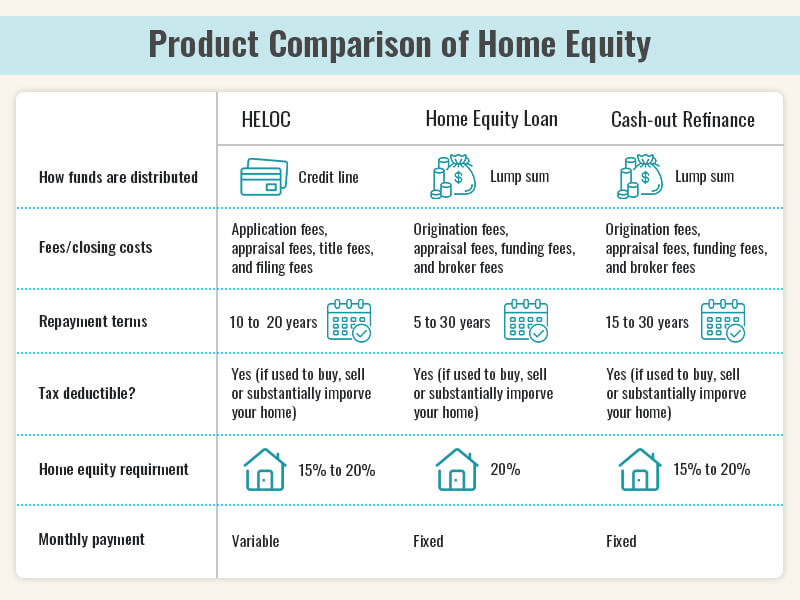
When it comes to tapping into your property's value through equity home loans, there are different options available to homeowners. Let's explore the various types of equity home loans and compare their features.
Fixed-Rate Equity Loans
A fixed-rate equity loan allows you to borrow a lump sum of money against the equity in your home. The interest rate remains constant throughout the term of the loan, providing predictability in your monthly payments. This type of loan is ideal for those who prefer stability and want to know exactly how much they need to pay each month.
HELOCs (Home Equity Lines of Credit)
HELOCs, on the other hand, provide homeowners with a revolving line of credit based on the equity in their property. Borrowers can withdraw funds as needed, up to a certain limit, and only pay interest on the amount they use. This flexibility makes HELOCs a popular choice for homeowners who anticipate varying financial needs over time.
Comparison of Features
| Features | Fixed-Rate Equity Loans | HELOCs |
|---|---|---|
| Interest Rate | Fixed | Variable |
| Payment Structure | Fixed monthly payments | Interest-only payments during draw period |
| Access to Funds | One-time lump sum | Revolving line of credit |
Pros and Cons
- Fixed-Rate Equity Loans:
- Pros:
- Predictable monthly payments
- Stable interest rates
- Cons:
- Less flexibility in accessing funds
- Higher initial interest rates
- Pros:
- HELOCs:
- Pros:
- Flexibility to borrow as needed
- Interest-only payments initially
- Cons:
- Variable interest rates
- Risk of overspending and increasing debt
- Pros:
Steps to Tap Into Your Property's Value
When you decide to tap into your property's value through an equity home loan, there are specific steps you need to follow to make the process smooth and successful. Below, we Artikel the step-by-step process of applying for an equity home loan, provide tips on how to prepare for the application process, and explain what to expect during the approval and disbursement stages.Step-by-step Process of Applying for an Equity Home Loan
- Gather all necessary documents, including proof of income, property documents, and identification.
- Research different lenders and compare their equity home loan offers to find the best fit for your financial situation.
- Submit your loan application along with the required documents to the chosen lender.
- Wait for the lender to review your application, conduct a property valuation, and assess your creditworthiness.
- If approved, review the loan terms and conditions provided by the lender before signing the agreement.
Tips on How to Prepare for the Application Process
- Organize all your financial documents in advance to expedite the application process.
- Improve your credit score by paying off existing debts and ensuring timely payments on your current financial obligations.
- Consider consulting with a financial advisor to determine the optimal loan amount and repayment terms based on your financial goals.
What to Expect During the Approval and Disbursement Stages
- During the approval stage, the lender will review your application, assess your creditworthiness, and conduct a property valuation to determine the loan amount.
- If approved, you will receive a loan offer outlining the terms and conditions, including the interest rate, repayment schedule, and any associated fees.
- Upon accepting the loan offer, the lender will disburse the approved loan amount to you, either as a lump sum or in installments, depending on the loan agreement.
Risks and Considerations
When tapping into your property's value through an equity home loan, it is crucial to be aware of the potential risks involved and carefully consider your financial situation before proceeding. Here are some key points to keep in mind:Potential Risks Associated with Equity Home Loans
- Increased Debt: By borrowing against your home's equity, you are essentially taking on additional debt that needs to be repaid.
- Interest Rates: Equity home loans often come with variable interest rates, which can lead to higher monthly payments if rates increase.
- Risk of Foreclosure: Failing to make payments on your equity home loan could put your home at risk of foreclosure.
- Market Fluctuations: Changes in the real estate market can impact the value of your property, affecting the equity you have borrowed against.
Importance of Considering Your Financial Situation
- Assess Your Ability to Repay: Before obtaining an equity home loan, evaluate your financial stability and ensure you can afford the additional monthly payments.
- Understand the Terms: Familiarize yourself with the terms and conditions of the loan, including interest rates, fees, and repayment schedules.
- Consult a Financial Advisor: Seeking advice from a financial professional can help you make informed decisions based on your specific financial circumstances.
Strategies to Mitigate Risks
- Limit Borrowing Amount: Only borrow what you need and can comfortably repay to minimize the risk of overextending yourself financially.
- Build an Emergency Fund: Having savings set aside can provide a safety net in case of unexpected financial challenges, reducing the risk of defaulting on your loan.
- Monitor Real Estate Trends: Stay informed about market conditions and property values to anticipate potential changes that could impact your equity.
Last Word
Wrapping up our discussion on Equity Home Loan Essentials: How to Tap Into Your Property's Value, the concluding paragraph summarizes key points and leaves readers with food for thought.
Essential FAQs
What factors influence the amount of equity you can access?
Factors such as property value, outstanding mortgage balance, and market trends can impact the equity you can tap into.
What are the risks associated with equity home loans?
Risks include potential foreclosure if you default on payments, fluctuating interest rates, and the possibility of owing more than your property's worth.
How can you increase equity in your property?
You can boost equity by making extra mortgage payments, renovating to increase property value, or waiting for property appreciation.